Seed Grant
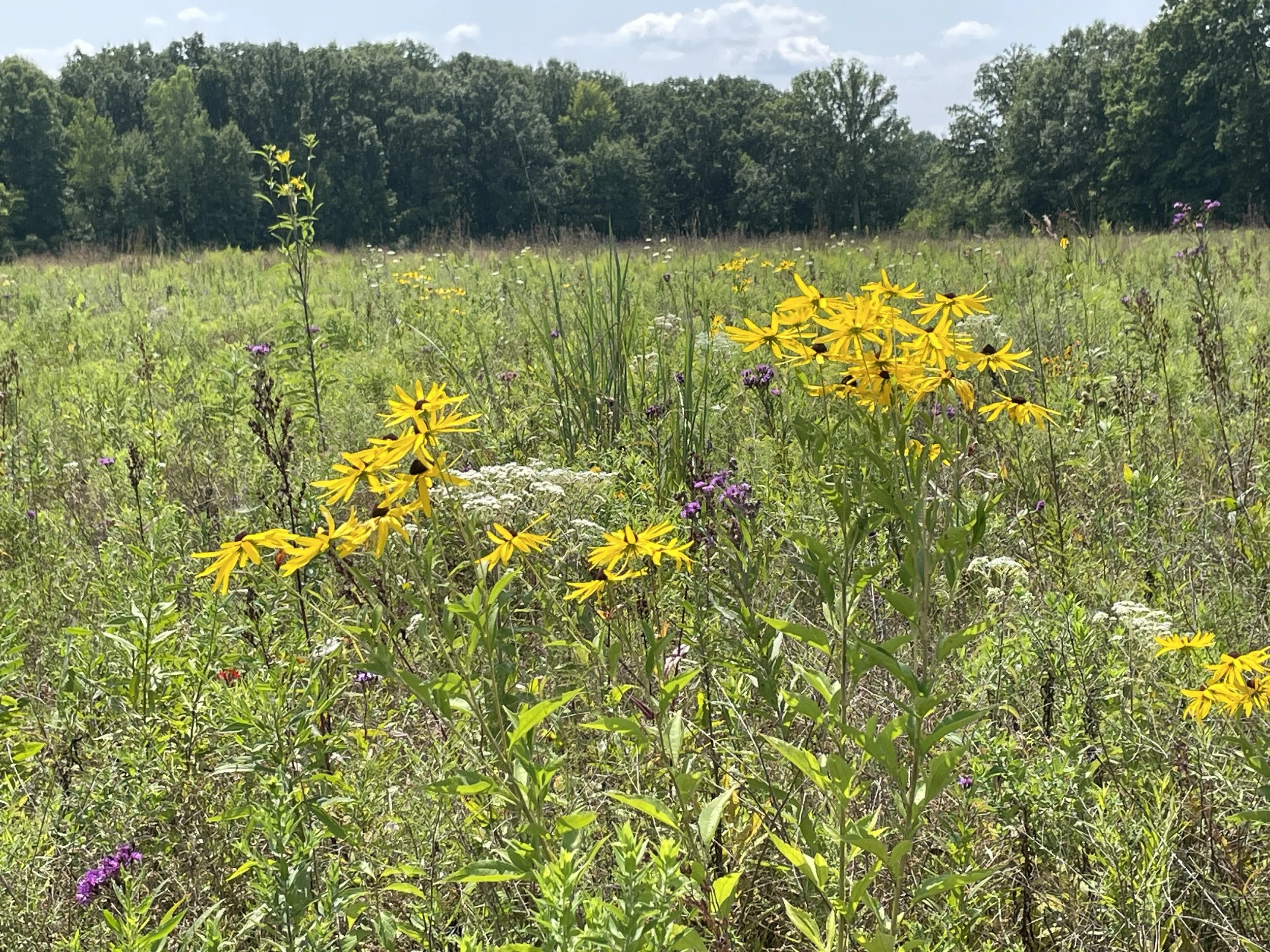
Apply for our seasonal seed grant, and you could be selected to receive enough native seed for a full acre of pollinator habitat (43,560 sq. ft.). Review eligibility and submit your interest form online. Seed grants are awarded two times per year in the spring and fall.
apply NOW FOR the annual pollinator seed grant
DEADLINE Extended to July 20
If you are among the nature centers, conservancies, parks, tribal lands, and other large land stewards in Ohio with plans to restore or enhance at least an acre of pollinator habitat within the next year, we encourage you to apply for our annual Seed Grant award.
Valued at $1,125 per acre, the Seed Grant includes 28 wildflower species for pollinators.
Eligibility Requirements
The installation site must be an acre or more of medium to well-drained soil that receives 6 or more hours of sunlight daily.
The site must not be at risk of future development.
Provide a site preparation plan for this fall, early winter, or early next spring in 2027. Specify your timing on your app.
Include the installation site address with your submission.
Provide the name and contact information for your habitat project manager.
Key Dates
The deadline to submit your application is July 20, 2026
Seed Grant recipients will be notified by July 30, 2026
If you have questions, please contact us at saveohiobees@gmail.com.
Use the seed grant form to apply. You will be able to upload up to 5 files, including documents and images, with your application form.
NOTE: Schools, businesses, non-conservation nonprofits, and residential homeowners are not eligible for this particular grant. If you are unsure about your eligibility, please contact us.
Private landowners, including these examples, who are interested in creating wildlife habitat are eligible to apply for the U.S. Fish & Wildlife Partners Program. This program provides technical and financial assistance to landowners, managers, corporations, schools, local governments, and nonprofits. LEARN MORE HERE
Seed Info
Seed sowing: Late fall to early January for fall or winter sowing; March to May for spring 2027 sowing.
Soil types: Medium to well-drained soil.
Flower colors: Yellow, purple, pink, green, orange, and white.
Height: Up to 3 to 5 feet.
Bloom time: Spring through fall.
Attracts: Native bees, butterflies, moths, beetles, birds, hummingbirds, and other beneficial wildlife.
Seed Species
Purple Coneflower, Partridge Pea, Illinois Bundleflower, Indian Blanket, Ox Eye Sunflower, Lanceleaf Coreopsis, Purple Prairie Clover, Yellow Coneflower, Blanket Flower, Black-Eyed Susan, Wild Bergamot (Bee Balm), Butterfly Weed, Common Milkweed, Canadian Vetch, Prairie Ironweed, Rattlesnake Master, Rose Milkweed, White Prairie Clover, Anise Hyssop, Golden Alexander, Smooth Aster, Old Field Goldenrod, Sky Blue Aster, Tall Coreopsis, New England Aster, Hoary Mountain Mint, Stiff Goldenrod, and Prairie Blazingstar.
YOUR SITE PREP PLAN
Seed germination requires direct contact with the soil and limited competition from non-native plants and heavy thatch, so site preparation is one of the most important aspects of any successful meadow planting project. Site preparation can be achieved through various techniques, including solarization, tilling, herbicide use, and a controlled burn. If you have the resources and an experienced team, or access to a certified Fire Ecology, Management & Technology professional, site prep may include a controlled burn followed by an additional weed suppression option like solarization or specialized herbicide application.
Here are some ideas for site prep, courtesy of OPN Seed